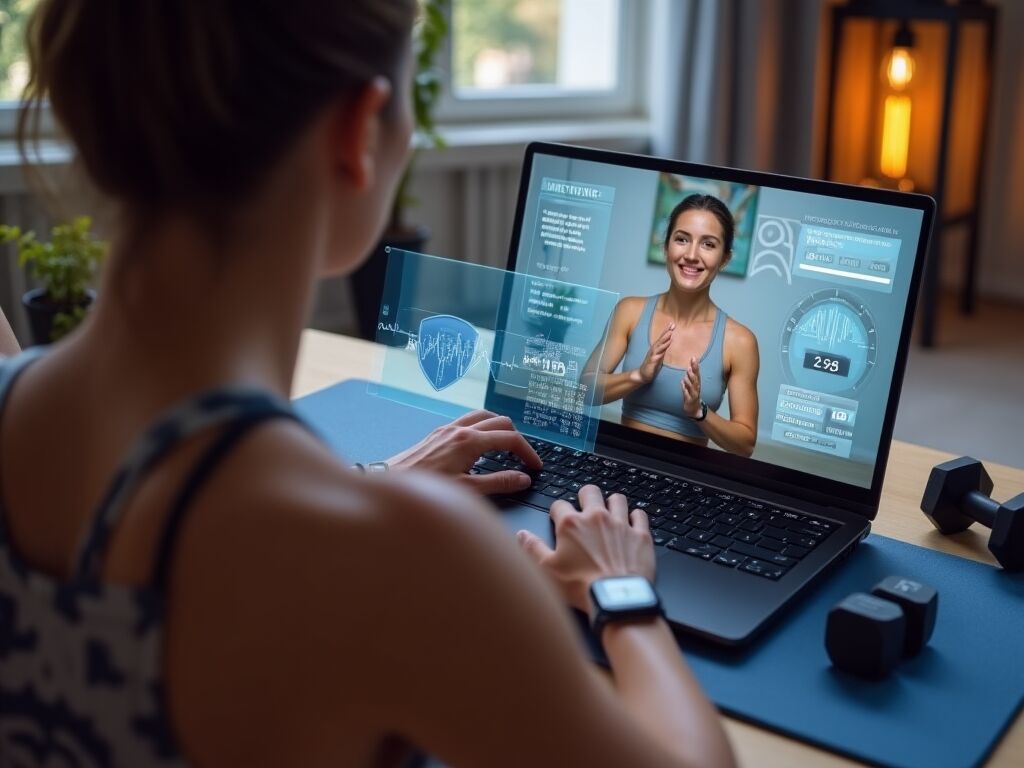
CNA Just visualize a Certified Nursing Assistant that does not have to walk miles of hallway. Their rounds on patients are conducted via a screen. This is not science fiction. It is the new health care reality. Virtual CNA is becoming an urgent remedy to the problem of the workforce shortage. They are essentially broadening the bedside manner definition.
The change has a direct effect on the contemporary nursing programs. It builds a new career of enthusiastic professionals. We are going to look at how this role is transforming patient support.
Best Practices: Hands-On to Virtually Present
What can a CNA do without the physical contact? Their essence is always to keep their mission. They offer crucial patient care and critical human interaction. CNA have however changed their toolkit dramatically.
They are now operating digital dashboards. These platforms are used to transmit real-time patient information at home devices. This involves blood glucose and blood pressure. These numbers are deciphered by the Virtual CNA. After that, they make a video call to check on a patient. This amounts to preventive health care. It helps to avoid minor problems and turn them into emergencies.
The reason why virtual roles are betting on health systems
This is being driven by a perfect storm. The generation of the aging population is increasing at a high rate. Such chronic illnesses as diabetes and heart disease are becoming more and more popular. In the meantime, the conventional workforce of CNA is dangerously thin.
In-person aides One health network has had a 15% vacancy rate within the last quarter. The strategic solution involves virtual roles. They enable a single CNA to attend to dozens of patients in a vast geographical region. This model maximizes the limited resources. It also goes to the patients in the comfort of their home.
Day of the Life of a Virtual CNA
Maria worked in a nursing home as a traditional CNA during ten years. She was an enthusiastic patient love burn out. After that, she switched to a virtual position.
Her morning is now beginning by checking alerts. She sees that Mr. Evans has gained two pounds over a day. This is an alert of his heart condition. Maria calls him up at once with the video.
- “I see the scale is up, Mr. Evans. What is your breathing condition?
- Are you swelling up in the ankles beyond the normal?
When he makes the call, she notices that he has a little puffiness under his eyes. She speaks in a composed manner about her worries. Then she shoots the case to the overseeing RN. The intervention was a fast, virtual intervention that probably avoided a hospital stay. Thousands of dollars were saved by it. Better still, it ensured that Mr. Evans was safe at home.
Next Generation Training: Tech-Enabled CNA
This change requires a different training. CNA Program directors are looking ahead. They are incorporating digital literacy in their curriculums.
Remote patient monitoring platforms have become known to students. They train to do sympathetic evaluations through video. They prepare on how to work through complicated electronic health records effectively.
A certain community college instructor gave her experience.
“We used to concentrate only on practical competencies. At this point we are teaching ‘virtual presence’. What do you do to be trusted with a camera? It is one of the most important new competencies of contemporary health care.”
Issues in the Digital Frontier
There are challenges that are associated with this model. Digital divide is an issue of concern. Not every patient has a good internet connection and is not with technology. It takes extraordinary communication capabilities to come up with the deep, trusting relationship behind a screen.
More so, the state laws are scrambling to keep up with innovation. The virtual scope of practice is obviously a process that is to be defined. These roles should be properly supported.
A Case Study of a Real-World: “Health Connect At Home
This is the success of Health connect At Home, a pilot program in Midwest. They incorporated Virtual CNAs into their chronic care management teams. The outcomes of a year were dramatic.
- 31% decrease in 30-day heart failure patient hospital readmission.
- The score of patient satisfaction went up to 94%.
- The virtual wing was less than 5% in terms of CNA turnover.
This is the viability of the model. It has the advantage of benefiting both patients, providers, and the CNAs themselves. It is a win-win-win situation to the whole health care ecosystem.
The Future is a Hybrid Model
Then is the traditional CNA position becoming a dinosaur? Absolutely not. It is not all virtual in the future. It is hybrid. The most efficient health care systems will be a combination of the two models.
Take the case of CNA who spends three days offering hands on care in a facility. They then spend two days at a distance meeting patients who have just been discharged. This is a hybrid model, which provides diversity in careers. It reduces physical burnout. It also offers continuity of care which is highly demanded by the patients.
A Final, Strong Opinion
The emergence of the Virtual CNA is not a fashionable experiment. It is an intelligent development of the role, which is required. Any refusal to acknowledge this change is betrayal to our future health care employees and the patients whom they serve.
The training of nursing programs now has to be adjusted. This infrastructure has to be invested by health systems. The goal is clear. These front line heroes have to be empowered with technology. This will enable them to do what they excel at; caring to people, in the room or on the screen.